The year · October is underlined
| Region | J | F | M | A | M | J | J | A | S | O | N | D |
|---|---|---|---|---|---|---|---|---|---|---|---|---|
| Sari Salltik |
The walk
| Distance | 6 km |
|---|---|
| Ascent | 800 m |
| Time | 4 h |
| Track | GPX in preparation |
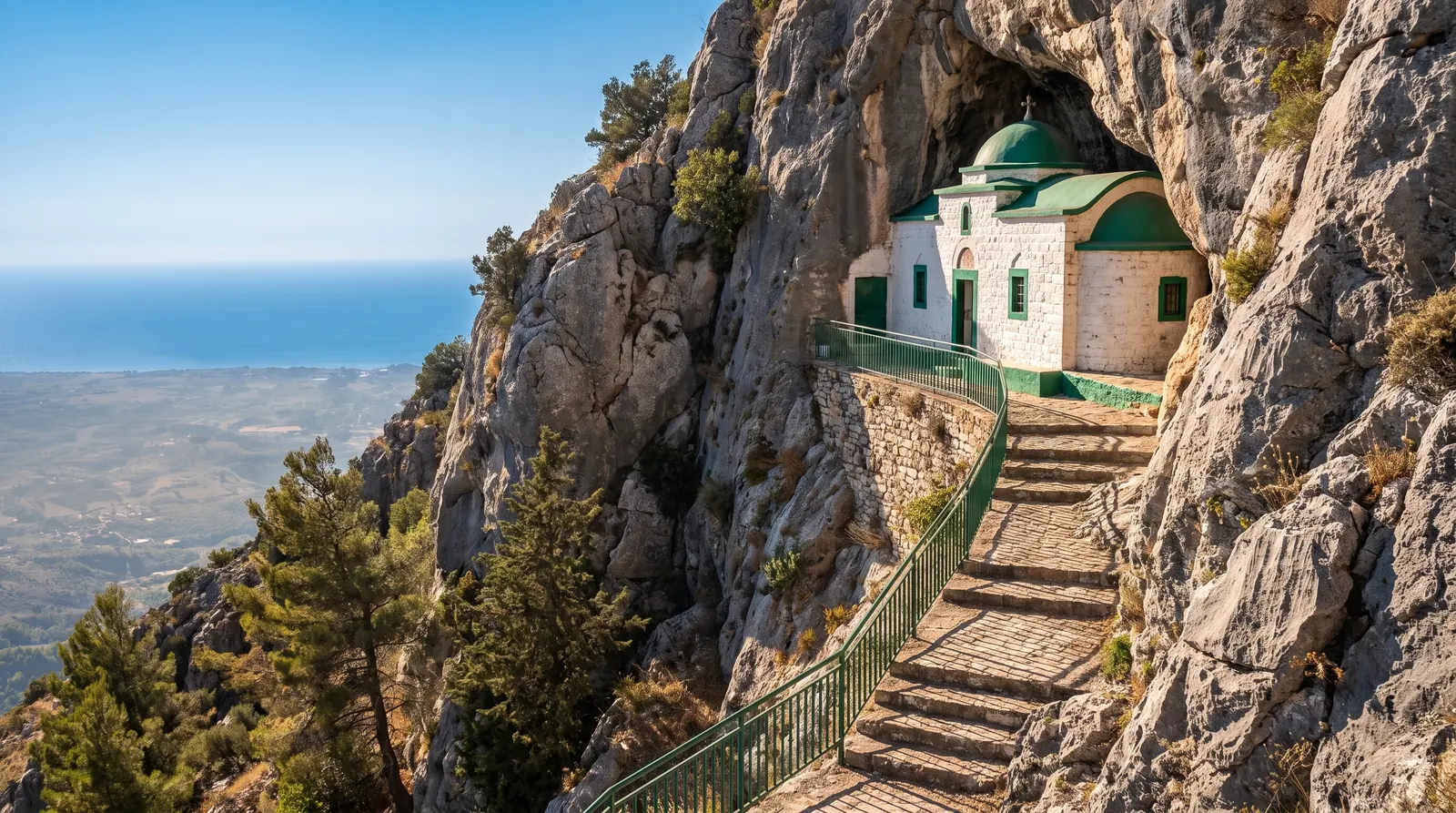
Above Krujë, a path pilgrims have used for centuries climbs to a cave at 1,176 m holding a Bektashi shrine: three kilometres up with about 800 metres of gain, roughly two hours, rocky and stepped and steep in places. The four hours printed above is the round trip at that pace; the descent goes quickly.
Sari Saltik was a thirteenth-century Sufi dervish, semi-legendary and credited with carrying Bektashism across the Balkans. The cave that bears his name is fifteen metres deep with a spring at the back whose water pilgrims hold sacred, and a small stone mosque beside it holds a burial attributed to him. The guide that measured this walk calls the mosque the oldest in Albania; that is its claim, carried here as attributed rather than asserted, because nothing stronger sources it.
Entry is free, and a paved road of about ten kilometres reaches the cave for anyone who wants the shrine without the climb, which is most pilgrims most of the year. Walking it is the point of this page: it is the closest thing to a via sacra this site carries, and the terrace at the top looks over the plain to the sea.
Nearby
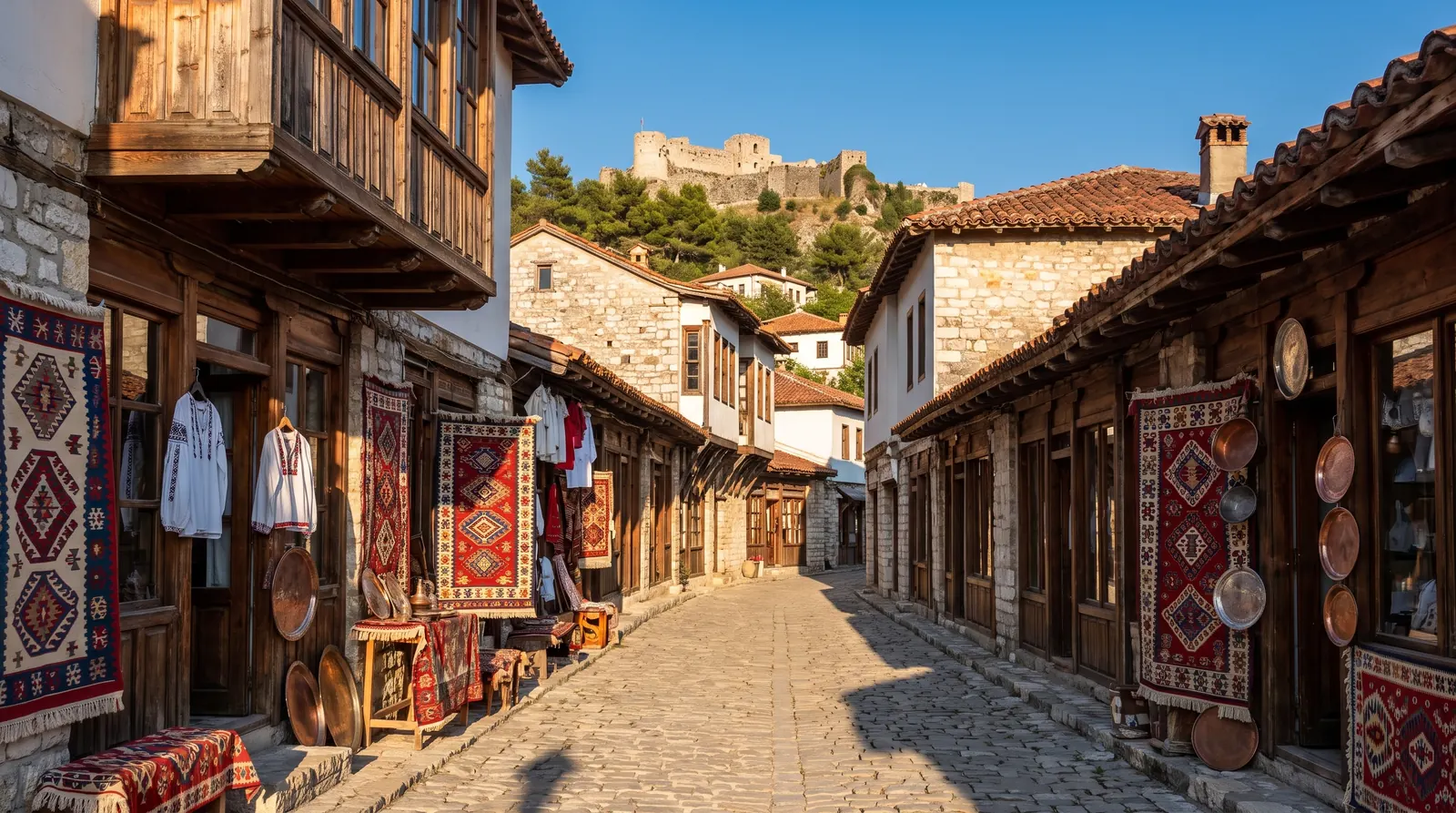 AI imageKrujëSkanderbeg's hill town forty minutes from Tirana: a restored bazaar, a castle on the ridge, and the easiest half-day out of the capital.
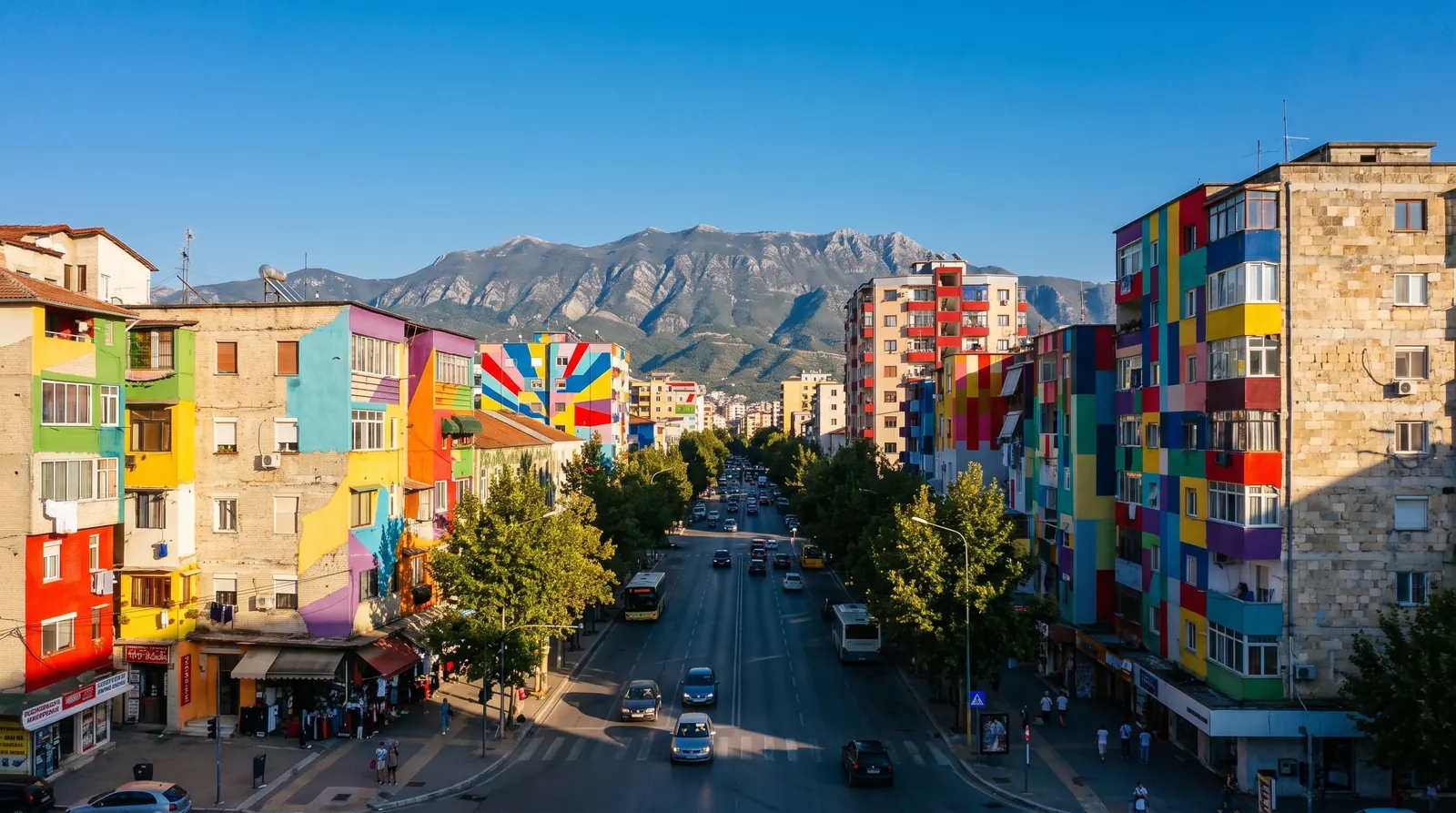 AI imageTiranaWhere nearly every Albania trip starts and ends: the only airport with scheduled flights, the road hub, and a first or last night rather than a week.
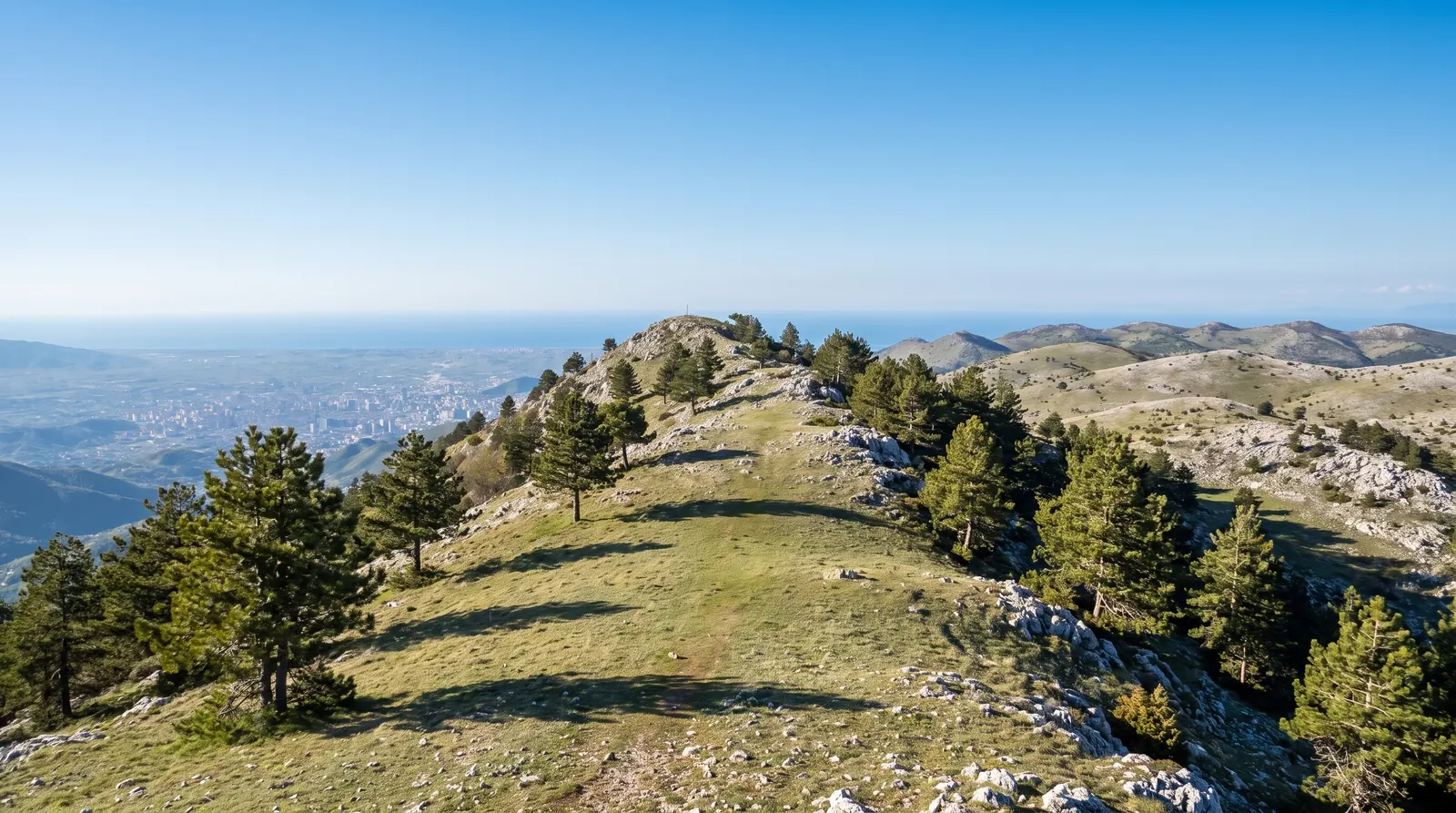 AI imageMount DajtiThe ridge above Tirana, reached by cable car and walkable from March to November, which makes it the one real mountain day the city offers in the shoulder season.